A place to call home
Safe, stable transitional housing gives people the space and support to take their next step toward independence.
12 housing places per property
Invest Once. Provide A lifetime of Impact.
Turn a single investment into a lasting source of housing, food assistance and SNAP guidance — powered by income-producing real estate.
A home is just the beginning. Our model brings together three essential forms of support, funded by real estate designed to keep producing income.
Safe, stable transitional housing gives people the space and support to take their next step toward independence.
12 housing places per propertyRecurring property income helps bridge the gap between the resources families have and the food they need.
80% of net income allocated to food banks and SNAP guidanceSNAP application and renewal support helps families navigate the benefits they may be eligible to receive.
Less friction. Greater access.We own the real estate. Established nonprofits operate the housing. Recurring income keeps the mission moving.
Identify Chicago three-flat properties that we can convert into transitional housing.
Convert three two-bedroom apartments into 12 transitional housing places, with 6 bathrooms.
Lease the entire property to a nonprofit operator, who takes care of the day to day management.
We acquire and convert residential properties into income-producing transitional housing assets, then lease the entire property to established non-profits under a long-term master lease. Rental Income goes to provide food assistance where needed and SNAP support. As the transitional housing creates on-going monthly revenue we can support both the food assistance and SNAP programs in perpetuity.
The properties are leased to nonprofit operators under master leases. After the property's operating costs and other agreed expenses, the program allocates the rental income to its social-impact mission.
That allocation funds food assistance and SNAP application support.
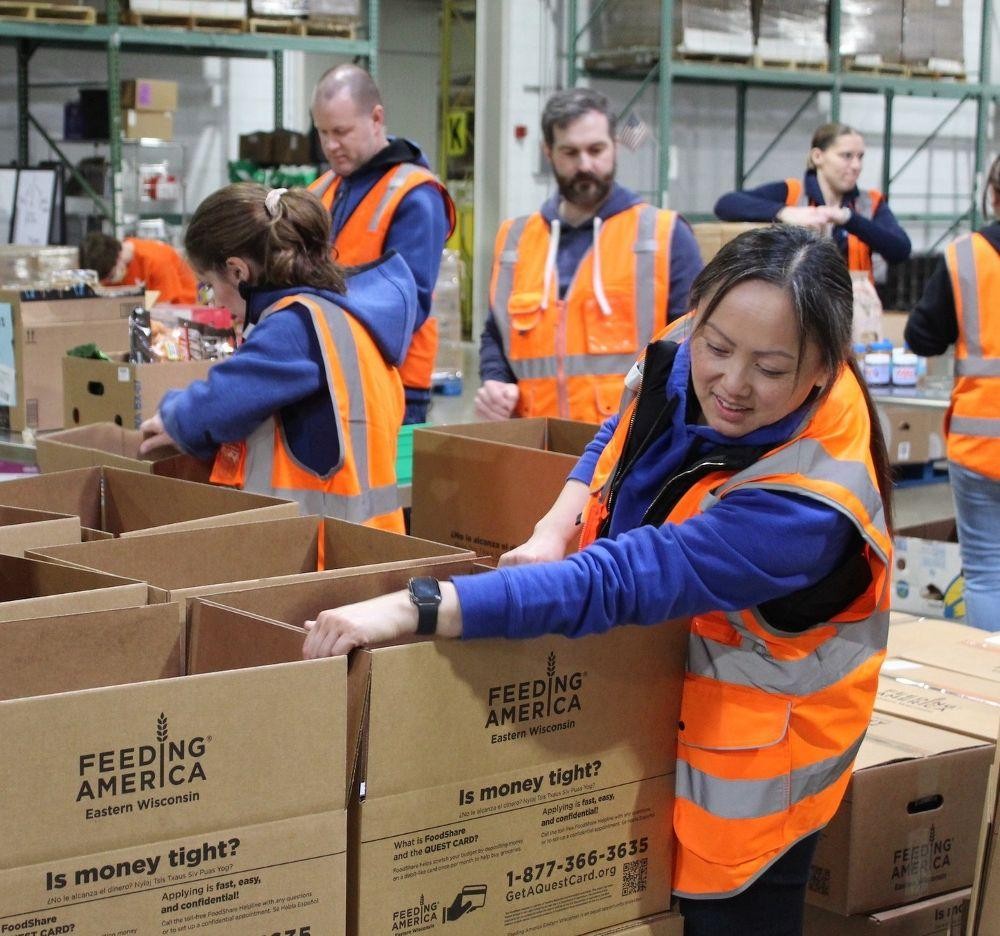
We provide recurring financial contributions to established food banks. They use their purchasing power, supply networks and distribution infrastructure to get food to people who need it. Food banks can often turn cash donations into more food than an individual could purchase at retail prices.
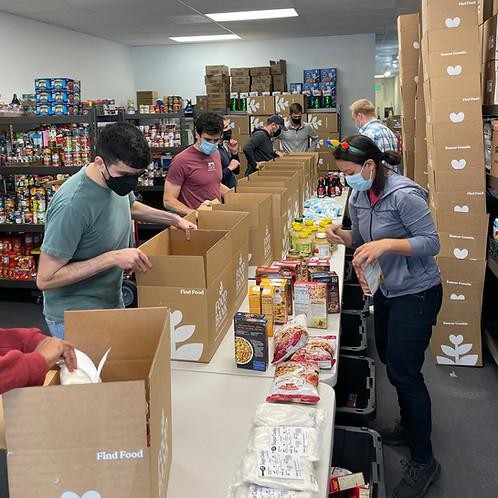
We partner with food banks or local food pantries to fund grocery boxes, food vouchers or recurring family food support. This gives Perpetual Impact a more direct connection between the money allocated and the families receiving help.
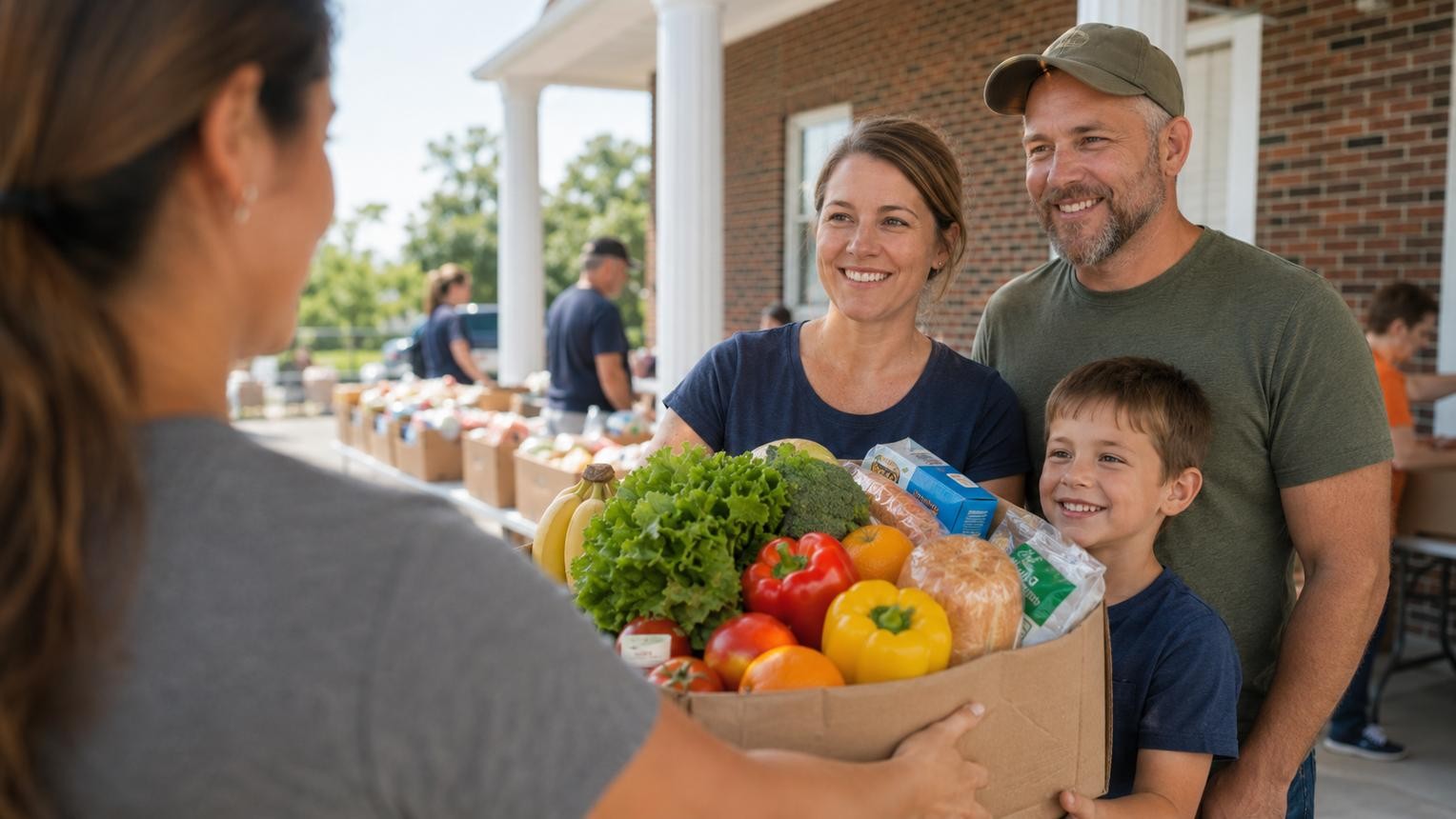
We make recurring contributions to established food banks while reserving part of the allocation for targeted support to families facing particular hardship. This combines the reach of existing infrastructure with a more visible, measurable family-level impact.
The property generates sufficient distributable profit to allocate a portion to food assistance. The program makes its contribution, records how the funds were used, and reports the outcomes.
The following year, the property generates income again, allowing another allocation. As the portfolio grows, the potential pool of funding grows too.
The cycle repeats as long as the properties remain productive and the program remains financially sustainable.
To make this credible to donors, we will report tangible outcomes rather than simply the dollars donated.
We should avoid promising a fixed number of families helped until we have agreed food-bank partners and verified the cost of delivering that support.
The reconciliation law enacted on July 4, 2025, introduces significant changes to federal food assistance that could leave many American families facing greater food costs, increased poverty and hunger. It substantially reduces federal funding for the Supplemental Nutrition Assistance Program (SNAP), shifting significant additional costs to state governments. The law also expands work requirements that can result in people losing their SNAP benefits for failing to meet specified conditions, and restricts eligibility for certain people with lawful immigration status. These changes risk making it harder for vulnerable families to access the food assistance they need.
Since July 2025, approximately 5 million people have lost access to SNAP food assistance, including 1.5 million children. At a time when so many American families are struggling with food insecurity, we believe this is unacceptable. Rather than stand by and do nothing, we decided to take action.
We will provide a simple online tool to help families navigate the SNAP application and renewal process. Tailored to each state's requirements, the tool will guide applicants through the necessary information and help prepare their application for review and submission.
By making the process easier to understand and complete, we aim to help more eligible families access the food assistance available to them, reducing the risk that they miss out because of confusing paperwork or administrative hurdles.
NOW YOU CAN CHOOSE WHICH TYPE OF CHARITY TO SUPPORT
Your investment generates a perpetual charitable distribution, and you may recommend the qualified 501(c)(3) recipient.
Investors may recommend qualified U.S. 501(c)(3) charitable organizations to receive all or a portion of the charitable distribution generated by their investment. Perpetual Impact retains sole discretion over the timing, amount, and final approval of all charitable distributions. In the absence of a valid recommendation, distributions support Perpetual Impact’s default food-security partners.
Discover a charitable program designed to deliver support for Transitional Housing needs, food banks and SNAP applicants in-perpetuity.